
Buying a Second Home or Vacation Rental in Southern Utah: What Are the Short-Term Rental Laws?
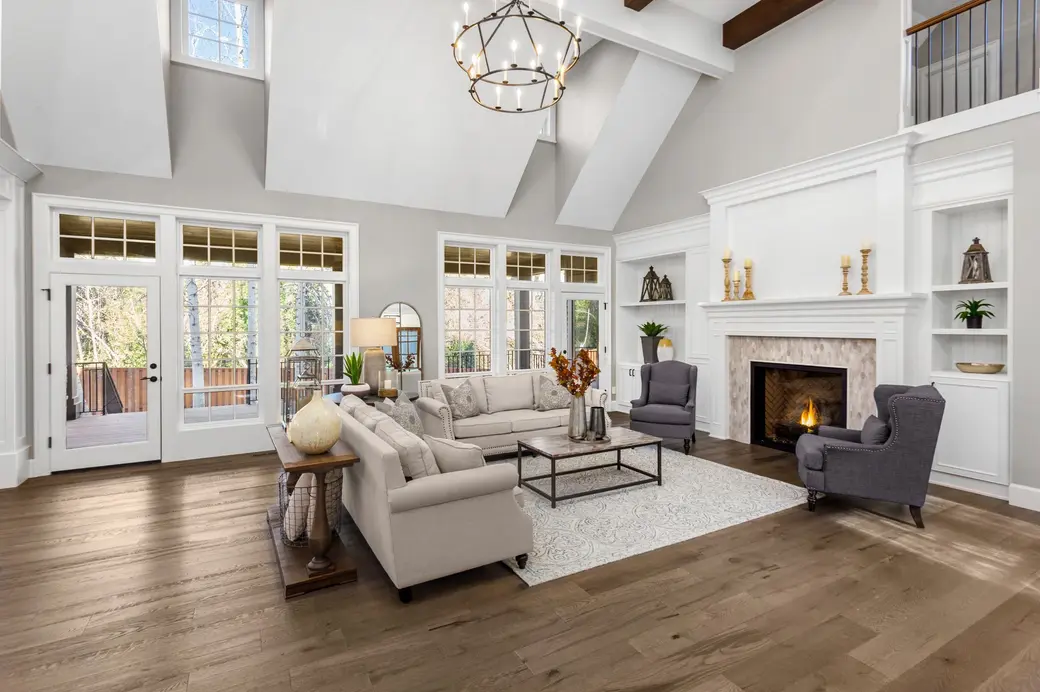
Buying a Second Home or Vacation Rental in Southern Utah: What Are the Short-Term Rental Laws?
With its dramatic red rock landscapes, year-round golf courses, and close proximity to Zion National Park, it is no secret that Washington County is a prime destination for vacationers. Naturally, this makes the Southern Utah real estate market incredibly attractive to real estate investors and second-home buyers looking to offset their mortgage by listing on platforms like Airbnb or VRBO.
However, jumping into the local vacation rental market without doing your homework is an easy way to end up in a legal and financial nightmare.
Southern Utah cities take Short-Term Rental (STR) laws very seriously. In fact, municipalities like St. George, Washington City, and Hurricane have some of the strictest zoning rules and enforcement policies in the state. If you are looking to buy an investment property or a second home here in 2026, let’s look at how the local short-term rental laws operate and how to ensure your investment is completely legal.
The Golden Rule: It All Comes Down to Zoning
In Utah, a short-term rental is generally defined as any residential property rented out for 29 consecutive calendar days or less. The absolute first thing you must understand is that you cannot buy just any single-family residential home in St. George and turn it into an Airbnb.
🚫 The Traditional Residential Ban
In the city limits of St. George, short-term rentals are strictly prohibited in traditional single-family residential, agricultural, and mobile home zones. Code enforcement actively monitors online listings. Operating an unauthorized STR can result in steep daily fines reaching hundreds of dollars, followed by legal action.
Where Are Short-Term Rentals Allowed?
To legally run a nightly rental, the property must sit inside an area explicitly zoned for transient lodging, often referred to as a Planned Development Resort Zone or an approved STR overlay subdivision. Every city in Washington County handles these zones a bit differently:
- St. George: STRs are restricted to specific, master-planned resort communities designed explicitly for vacationers. Famous examples include established spots like Las Palmas and Sports Village in Green Valley, or massive new developments like the lagoon-centric Desert Color.
- Washington City: Nightly rentals are only permitted in highly specific, pre-approved subdivisions. However, if you look into unincorporated areas of Washington County, rules can vary, though they require rigid county-level licensing and septic capacity verifications.
- Hurricane: Hurricane historically allows some STRs in residential zones, but they enforce a strict citywide cap on the total number of permits available. Your best bet here is to focus purely on established resort communities like Sand Hollow Resort, Copper Rock, or Elim Valley.
The 4-Step Compliance Checklist for Legal Investors
If we find a property located within an approved short-term rental zone, you still have several regulatory hoops to jump through:
- Secure a Local Business License: You must apply for and maintain a specific Short-Term Rental Business License with the city or county. These licenses are not automatically transferable.
- Pass Mandatory Safety and Fire Inspections: Local fire departments physically audit the property for fire suppression systems, detectors, exit plans, and dedicated parking.
- Appoint a 24/7 Local Contact: You must designate a local property manager residing in Washington County who is available to respond in person within two hours to any noise complaints or code violations.
- Register with the Utah State Tax Commission: You must obtain a sales tax ID number and collect state sales tax, state transient room tax, and local county lodging taxes.
Look Closely at the HOA Rules
Even if a property passes all city zoning checks, the Homeowners Association (HOA) always has the final say. Many communities have strict Covenants, Conditions, and Restrictions (CC&Rs) that explicitly ban nightly or weekly rentals. Before writing an offer, I always review the underlying HOA documents to ensure there are no hidden minimum-stay requirements or strict caps on guest counts.
Work with a Local Investment Expert
Investing in real estate should be profitable, not a legal gamble. Relying on generic listings that claim a home is a "great potential Airbnb" is a recipe for disaster. When you work with a hyper-local real estate professional, we pull the exact city parcel maps, verify the zoning definitions directly with city planners, and review the latest HOA meeting minutes.
Ready to explore legal, cash-flowing vacation properties in the St. George area? Let’s connect today to review the safest resort zones for your real estate portfolio.
Categories
Recent Posts








"My job is to find and attract mastery-based agents to the office, protect the culture, and make sure everyone is happy! "
southernutahrealestateguy@gmail.com
50 East 100 South Unit #300 St George, UT, 84770