
Why Letting Your Listing Sit on the Market for Too Long Costs You Money
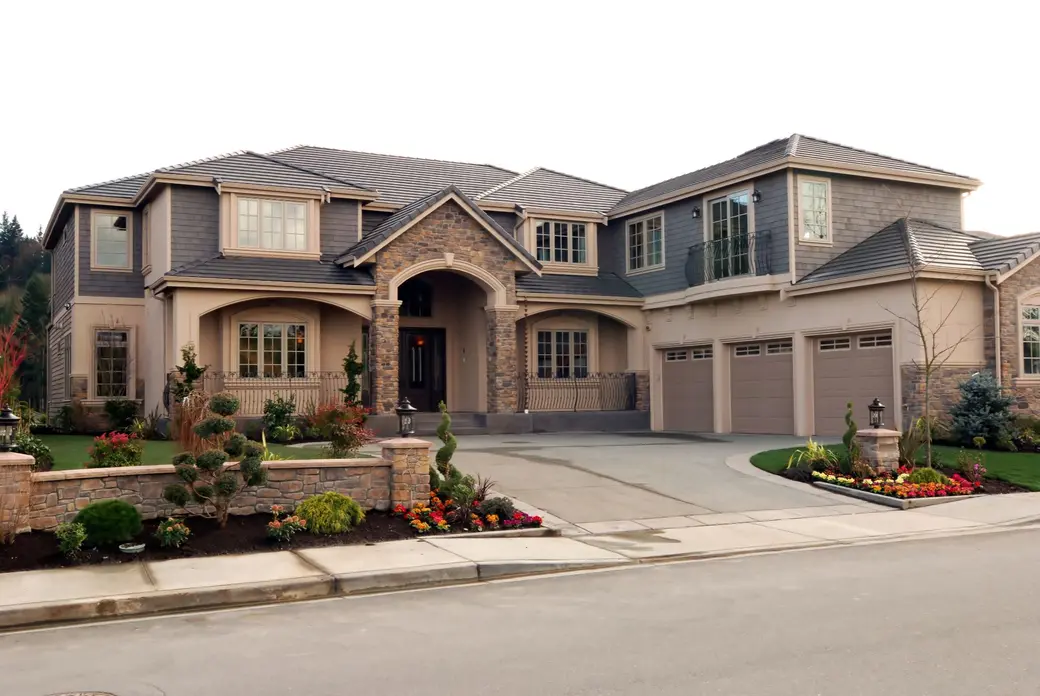
Why Letting Your Listing Sit on the Market for Too Long Costs You Money
When selling a home in the Southern Utah real estate market, many homeowners think time is on their side. They think, “If I don’t get my asking price right away, I can just wait for the right buyer to come along.”
In today's 2026 housing landscape, where Washington County active listings have stabilized around 2,050 properties, that "wait-and-see" strategy is a hidden equity killer.
In real estate, time is money—literally. The longer your property sits active on the Multiple Listing Service (MLS), the more leverage you lose. Let's look at the psychology behind Days on Market (DOM) and why an aging listing actually drains your final net proceeds.
The Psychological Toll of High "Days on Market"
When buyers browse homes on real estate portals, they look at three main pieces of data: the price, the location, and the Days on Market.
If a house has been listed for 5 days, buyers view it with a sense of excitement and urgency. But the moment that counter ticks past 45 to 60 days, buyer psychology shifts dramatically. They stop looking at the home's features and start asking a skeptical question:
"What is wrong with this house?"
Even if your property is flawless, has a stunning red rock view in Ivins, or features beautiful custom finishes, an elevated DOM count creates a negative stigma. Buyers assume the home has an inspection defect, soil settling issues, or that the seller is completely unreasonable to deal with.
How an Aging Listing Shifts the Power Balance
The lifecycle of a listing's negotiation power follows a predictable downward slope:
- [Day 1–14: Peak Leverage] ---> Buyer matches your terms to avoid competition.
- [Day 15–45: The Plateau] ---> Showings slow down; buyers negotiate smaller credits.
- [Day 46+: The Power Drop] ---> Buyers send lowball offers, expecting desperation.
When your listing is fresh, you hold the cards. But once your home sits stale into the "Power Drop" zone, the buyers who do write offers will not offer full price. They know you are likely tired of paying a double mortgage, keeping the home staged perfectly every weekend, or anxious to move.
An aging listing invites aggressive lowball offers, demands for extensive seller concessions, and rigid repair requests after home inspections.
The Real Cost of Carrying a Stale Property
Let’s look past negotiation psychology and look directly at the actual math. While your home sits on the market waiting for a buyer, it is actively costing you money every single day in carrying costs.
If your home sits active for an extra three months because it was priced incorrectly out of the gate, you have to pay those holding bills out of pocket:
| Monthly Expense Category | Average Southern Utah Cost |
|---|---|
| Mortgage Payment (Principal & Interest) | $2,850 |
| Property Taxes & Homeowners Insurance | $320 |
| HOA Fees (Typical St. George Master-Planned) | $150 |
| Utilities (Running AC at 74°F in desert heat) | $280 |
| Total Monthly Carrying Cost | $3,600 |
If your home sits on the market for 90 days too long, you have spent $10,800 just keeping the lights on. When you finally accept a lower offer down the road, that $10,800 loss is permanently deducted from your final net proceeds.
The Reactionary Price-Drop Pitfall
When a listing goes stale, sellers eventually accept reality and lower their price. However, small, incremental price drops (like cutting $5,000 off a $600,000 home every three weeks) rarely work.
Incremental price drops make a seller look desperate, encouraging buyers to wait even longer for the price to fall further.
To beat the market, your pricing must be sharp, compelling, and accurate from day one. If a price adjustment is necessary, it needs to be a single, substantial structural cut that positions the home into a fresh buyer bracket and triggers immediate competitive urgency.
Launch Clean, Sell Fast
The most profitable transaction is almost always a swift transaction. When we list your property, our administrative and creative marketing channels are aligned to strike hard during your home's peak exposure window—the first 14 days.
By pairing precise Comparative Market Analyses with high-definition digital media, targeted social campaigns, and strategic pricing brackets, we ensure your listing captures the market’s full attention immediately, keeping your equity exactly where it belongs: in your pocket.
Want to review the active absorption rates and average days on market for your specific neighborhood? Let’s connect today to design a high-velocity listing plan for your property.
Categories
Recent Posts








"My job is to find and attract mastery-based agents to the office, protect the culture, and make sure everyone is happy! "
southernutahrealestateguy@gmail.com
50 East 100 South Unit #300 St George, UT, 84770